
Implementing Rain Gardens in Urban Areas: Turning Stormwater into Streetside Beauty
Chosen theme: Implementing Rain Gardens in Urban Areas. Welcome to an uplifting journey where city blocks bloom, flooding fears shrink, and neighbors connect. Dive in, share your questions, and subscribe for hands-on guides, plant lists, and stories from streets that learned to love the rain.
Why Urban Rain Gardens Matter Right Now
Heavy rain races off roofs and pavements, overwhelming drains and creeks. A rain garden captures that surge, spreads it gently, and lets soil filter oil, grit, and metals before water finds its way back to waterways and groundwater.

Why Urban Rain Gardens Matter Right Now
Even a compact curbside bed can shave peak flows during storms and cool hardscapes with shade and evapotranspiration. Add a few native grasses and perennials, and suddenly your block buzzes with bees, butterflies, and friendly conversations beneath umbrellas.
Finding the Right Spot and Size
Reading Your Landscape
Observe slopes, downspout paths, and low points during a storm. Keep at least ten feet from building foundations, away from septic systems, and clear of major utilities. If in doubt, call utility locators, then sketch inflows, overflows, and a safe route for excess water.
Sizing by Impervious Area
A practical rule is sizing the garden at about ten to twenty percent of the connected impervious surface, adjusting for rainfall intensity and soil infiltration. Larger storms need safe overflow routes. Share your roof or driveway area, and we will help estimate your basin size.
Soils and Infiltration Testing
Dig a test hole, fill with water, and time how fast it drains. One inch per hour is a comfortable minimum. Slow soils may need a sandier mix or an underdrain. Post your test results, and we will recommend resilient soil blends and strategies.
Design That Works and Delights
Sculpt a shallow bowl with three to eight inches of ponding depth and smooth, stable side slopes. A discreet berm on the downslope edge holds water briefly, while the basin’s shape guides flows toward plants that love periodic wet feet and summer dryness.
Design That Works and Delights
Guide inflow through a rock-lined apron or forebay to settle grit before it reaches roots. Always include a visible, armored overflow that directs excess to the street inlet or lawn. Share a photo of your inlet idea, and we will help refine it.


Planting Palettes for Tough Urban Conditions
Sun-Loving Workhorses
For full sun, mix switchgrass, blue flag iris, soft rush, black-eyed Susan, blazing star, and coneflower. They anchor soil, absorb bursts of water, and feed pollinators. Tell us your sun window, and we will curate a bloom calendar from spring through frost.
Shade and Street Canyon Champions
In partial shade, try sedges, river oats, foamflower, cardinal flower, and redtwig dogwood for structure. Their roots knit soil, while foliage brightens dim corridors. Share your canopy photo, and we will tailor an elegant palette for filtered light and narrow spaces.
Biodiversity with a Purpose
Stagger flowering times, pair nectar sources with host plants, and include seed heads for winter birds. Add milkweed for monarchs and mountain mint for bees. Comment with your favorite pollinator sighting, and we will trade tips on extending the seasonal buffet.
Step-by-Step Construction You Can Trust
Mark utilities, verify setbacks, confirm your overflow route, and stage materials: compost, sand, mulch, stones, and plants. Protect tree roots, stabilize nearby soils, and set aside stockpiled topsoil. Share your tool list, and we will help streamline weekend tasks.
Step-by-Step Construction You Can Trust
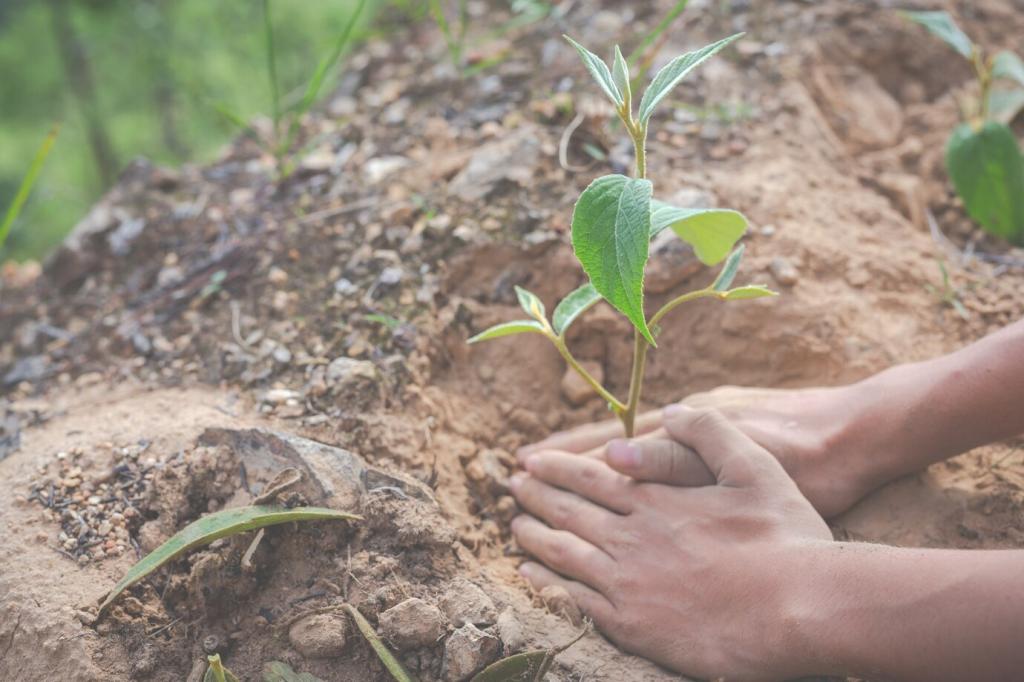
Excavate to create the basin and berm, keeping side slopes gentle for stability. Blend a well-draining soil mix, often sandy loam with organic matter. Compact lightly, not tightly. Post a progress photo, and we will advise on depth, contours, and amendments.
Care, Monitoring, and Long-Term Resilience
Water weekly during dry spells to establish roots, remove volunteer weeds before they seed, and check for erosion after storms. Keep a simple log. Share your first-year observations, and together we will troubleshoot and adjust watering and mulch depth for success.
Policy, Incentives, and Neighborhood Power
Codes, Clearances, and Coordination
Check local guidance on curb cuts, right-of-way plantings, and sightlines. Coordinate with public works and watershed groups to align overflows and safety features. Drop your permitting questions below, and we will share checklists others used to get quick approvals.
Funding and Community Resources
Look for rain rebate programs, stormwater credits, school grants, and corporate volunteer days. Pair materials sponsorship with a neighborhood planting event. Comment if you need a sample budget, and we will share templates that make fundraising and outreach easier.
Stewardship that Lasts
Adopt a shared maintenance calendar, rotate tasks, and host seasonal work parties. Celebrate wins with before-and-after photos and pollinator counts. Tell us how your group organizes volunteers, and we will suggest simple tools for scheduling, reminders, and shared monitoring.