



Composting for a Biodiverse Garden

Chosen theme: Composting for a Biodiverse Garden. Welcome to a living, breathing approach to soil health where every peel, leaf, and twig becomes a catalyst for vibrant life above and below ground. Subscribe and share your compost journey with us!

Building the Biodiversity-Friendly Compost Pile

Aim for roughly two to three parts carbon-rich browns to one part nitrogen-rich greens. Leaves, straw, and shredded cardboard keep structure open for oxygen, while food scraps and fresh trimmings power microbial growth. Comment with your favorite local brown sources—neighbors’ leaf bags, perhaps?

Choosing Methods: Hot, Cold, Trench, and Worms

Hot Compost for Quick Turnover

Frequent turning and balanced ingredients can produce finished compost in weeks, reducing weed seeds while preserving structure if moisture is right. Keep a log of temperatures and observations; sharing your data helps our community refine methods for wildlife-friendly outcomes.

Cold and Trench Composting for Soil Life

Slow, low-maintenance composting builds humus gradually and disturbs habitats less. Trench composting along future planting rows feeds microbe-rich zones directly. Tell us how your beans or tomatoes responded when you buried kitchen scraps months before planting.

What to Add, What to Avoid: Protecting Garden Ecology

Leaves, chipped prunings, and paper-based browns deliver carbon that fosters stable humus and fungal networks. Shred tougher materials for even breakdown and less compaction. Share your favorite leaf-mold tip to help new composters shortcut the learning curve.

What to Add, What to Avoid: Protecting Garden Ecology

Coffee grounds, vegetable peels, fresh weeds without seeds, and spent annuals add nitrogen and moisture. Mix well with browns to keep airflow and avoid odors. Comment with local, free green sources—cafés and farmers’ markets can be goldmines.

What to Add, What to Avoid: Protecting Garden Ecology

Avoid diseased plant matter, persistent weed seeds, glossy magazines, pet waste, and meat or oily foods that attract pests. When in doubt, leave it out. If you have a questionable material, ask in the thread and let the community weigh in.

From Compost to Canopy: Applying for Biodiversity Gains

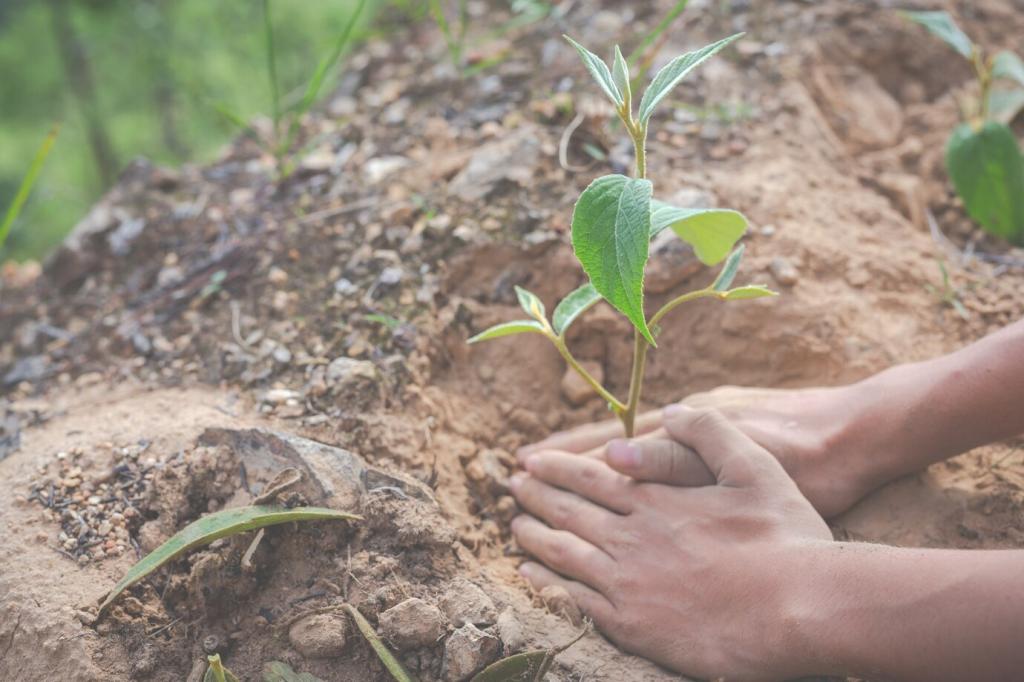
Spread a thin, crumbly layer—about a finger deep—around plants and keep stems clear. This invites earthworms upward and reduces evaporation, fostering drought resilience. Share before-and-after photos of your beds as flowers respond through the season.

From Compost to Canopy: Applying for Biodiversity Gains

Mix screened compost with leaf mulch to stabilize temperature and feed nectar sources. We observed more native bee visits after enriching a coneflower border this way. Subscribe for our seasonal mulch blend recipes tailored to different climates.

Troubleshooting With a Biodiversity Lens

Sour odors suggest anaerobic zones—add dry browns, turn, and loosen compacted layers. A shiny, slimy look means too wet; a dusty, inert pile needs moisture. Post your observations, and we’ll help you fine-tune together.

Troubleshooting With a Biodiversity Lens

If temperatures won’t rise, increase greens and size; if overheating, add browns and turn to cool gently. Keep moisture like a wrung-out sponge. Share your thermometer charts so others can compare seasonal patterns.

Community Composting and Storytelling

Neighborhood Leaves, Shared Gold

Organize seasonal leaf roundups and swap browns for produce scraps. One reader’s block filled a three-bin system that fed four pollinator gardens. Tell us how you’d set up a shared station on your street.

Citizen Science in the Soil

Track earthworm counts, measure infiltration after rain, or compare flowering times with and without compost. Small data sets, pooled, reveal big patterns. Subscribe to join our monthly backyard biodiversity challenges.

Your Compost Story Matters

A gardener wrote that trench composting near beans attracted lady beetles and cut aphids dramatically. Your story might spark someone’s first step. Share your wins, mishaps, and questions—we read every comment.
Tripledrose
Privacy Overview

This website uses cookies so that we can provide you with the best user experience possible. Cookie information is stored in your browser and performs functions such as recognising you when you return to our website and helping our team to understand which sections of the website you find most interesting and useful.