Educating Children on Local Biodiversity Conservation
Chosen theme: Educating Children on Local Biodiversity Conservation. Welcome! Together, we’ll turn neighborhood parks, schoolyards, and windowsills into living classrooms where kids become confident guardians of nearby nature. Join our community, share your experiences, and subscribe for weekly hands-on ideas and stories that inspire lifelong stewardship.
A single square meter of grass can shelter ants, beetles, fungi, mosses, and soil microbes. When children meet these tiny neighbors, science becomes personal, ethical choices feel concrete, and conservation begins right at home.
Introduce the idea of keystone species using local examples, like oak trees supporting countless insects and birds. Children grasp that protecting one pillar species safeguards an entire community. Ask them: which pillars live near you?
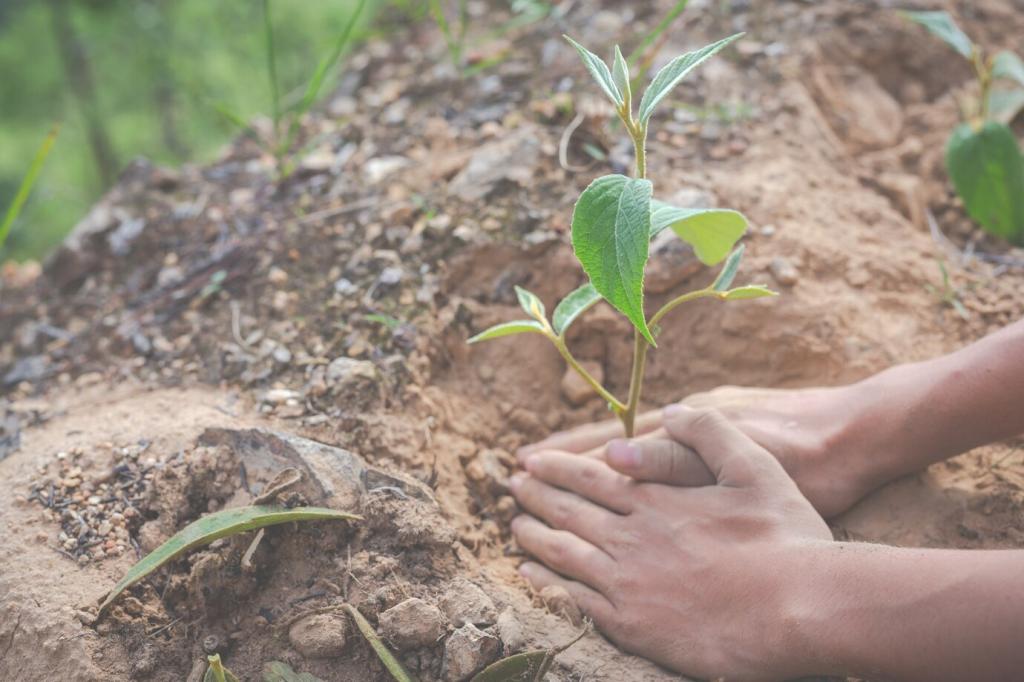
In one fourth-grade class, students planted native milkweed along a school fence. By autumn, monarch caterpillars appeared, and parents gathered after pickup to count chrysalises. The project sparked monthly family nature walks.
Micro-Safari on the Sidewalk
Equip kids with a magnifying glass, notebook, and tape measure. Explore sidewalk cracks, leaf edges, and puddle margins. Document at least five species or signs of life, sketch patterns, and discuss how micro-habitats provide refuge.
Build a Pollinator Patch
Choose three native flowering plants that bloom in different seasons. Children map sunlight, test soil, and design a patch that feeds bees and butterflies. Post updates as buds appear, and invite neighbors to add planters.
Join a Citizen Science Quest
Use kid-friendly apps to photograph local insects, birds, and plants. Set goals: ten observations in a week, or one new species daily. Celebrate milestones, discuss data ethics, and compare seasonal changes across your town.
Storytelling That Nurtures Stewardship
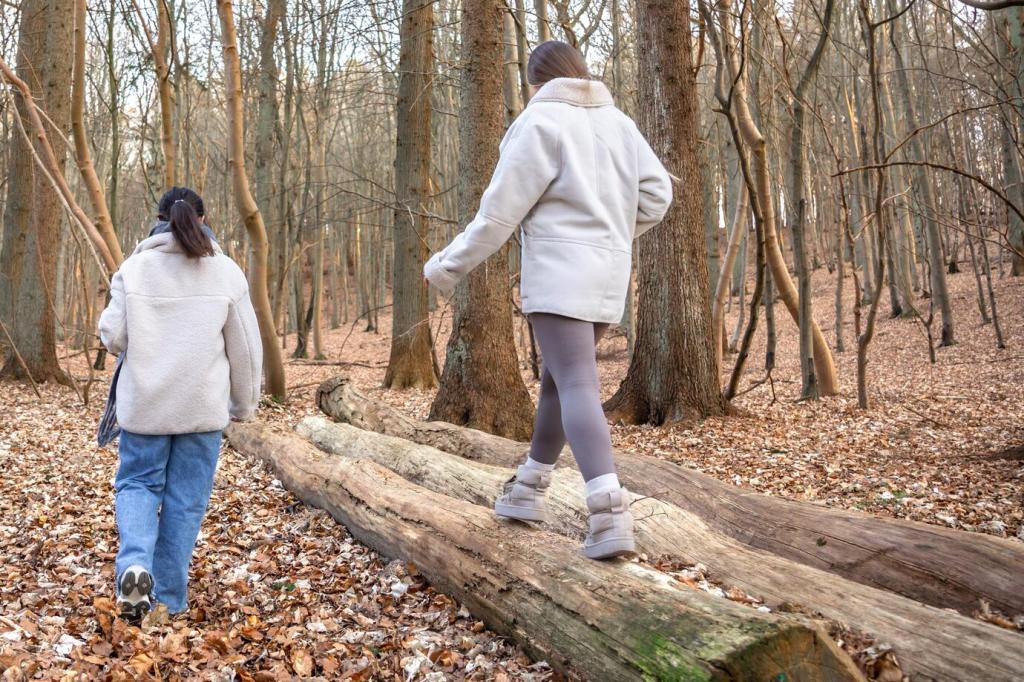
After a walk, invite kids to turn observations into a hero’s journey: a ladybug crossing a log, a seed’s perilous flight. By dramatizing details, children internalize ecological relationships and remember them joyfully.
Storytelling That Nurtures Stewardship
Explore Indigenous place names or long-held community nicknames for rivers, hills, and trees. Children learn respect, continuity, and context, understanding that conservation protects cultural memory as well as living species.
Curriculum Connections Across Subjects
01
Practice real investigations: formulate testable questions about pollinator visits at different times, control variables, and chart results. Children experience authentic science while discovering how conservation choices influence measurable outcomes.
02
Create leaf-print postcards with short poems, or record a soundscape diary of dawn birdsong. Artistic expression builds empathy, helping children articulate why local biodiversity matters to them, their families, and future neighbors.
03
Teach coordinate grids by mapping tree species around school, then calculate diversity indices. Graph rainfall against flowering times. Children see that numbers tell ecological stories, turning math into a tool for stewardship.
Partner with park rangers to host child-centered bioblitz events. Set safe boundaries, assign roles like photographer or species spotter, and end with a show-and-tell circle celebrating discoveries and discussing how to protect habitats.
Community and Family Partnerships
Ask libraries to lend binoculars, field guides, and bug boxes. Organize seasonal seed swaps for native plants. Children learn circular sharing, track germination, and feel the pride of nurturing life from tiny beginnings.
Community and Family Partnerships
Give each child a journal with a monthly bingo of observations: new pollinator, first frog call, unusual leaf shape. Completing squares encourages regular noticing, while journals reveal patterns and spark thoughtful questions.